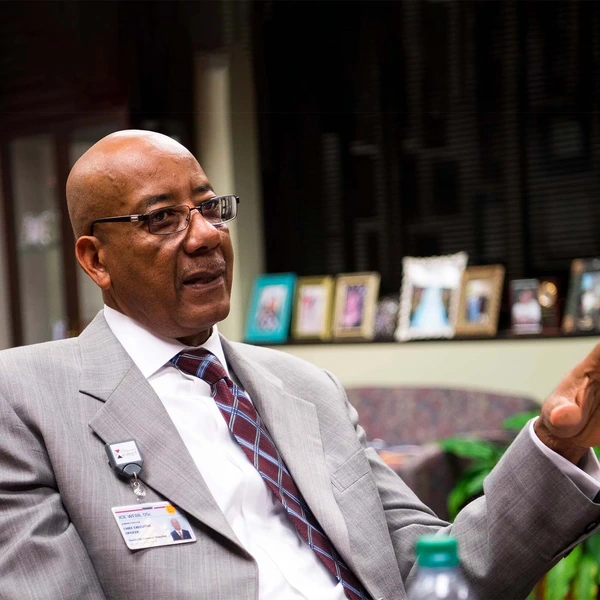
Through Precision Healthcare, Dr. Webb advises healthcare organizations on how to move population health from theory to execution. His work focuses on evidence-based management, operational alignment, and scalable community strategies that improve care coordination, patient outcomes, and financial sustainability.
Dr. Webb’s forthcoming book explores why health disparities persist—and how healthcare leaders can address root causes through practical, evidence-based models that work in real communities. The book draws on decades of executive experience and proven results from safety-net and academic health systems.
Dr. Webb speaks to healthcare leaders, policymakers, and community organizations about leading system-level change, advancing health equity, and building sustainable population health strategies grounded in evidence and execution.
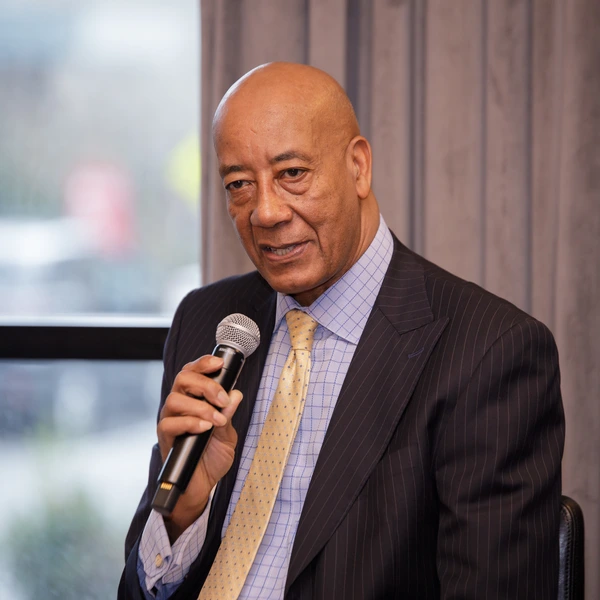
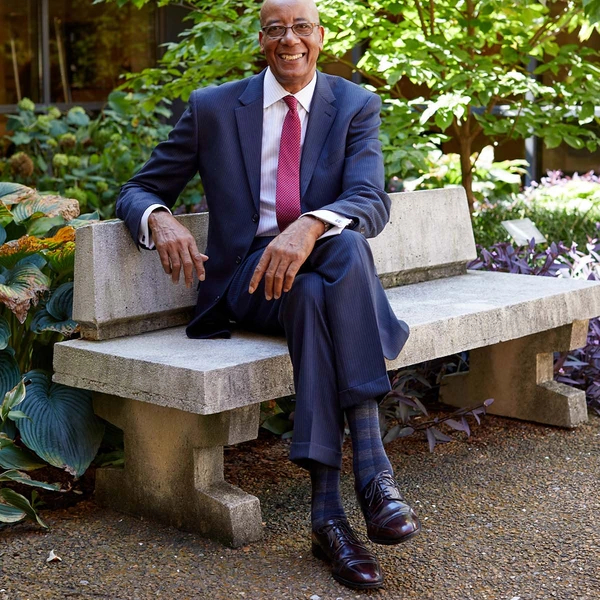
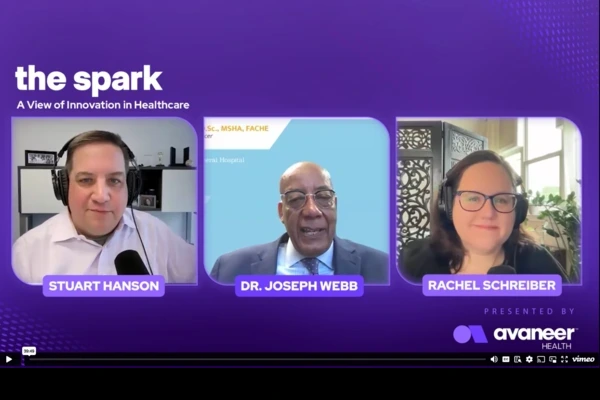
Dr. Joseph Webb is a nationally recognized healthcare executive, researcher, and author with more than 30 years of leadership experience in population health management, health equity, and health literacy. He advises healthcare organizations through Precision Healthcare, LLC, helping leaders translate evidence-based frameworks into sustainable systems of care. Dr. Webb is a Fellow of the American College of Healthcare Executives and holds a Doctor of Science in Health Services Administration.
We don’t have an access issue with healthcare, we have a health literacy and care coordination problem that traditional healthcare is not incentivized to solve. We’ve solved it in Nashville through our hub and spoke model, including a community-based strategy; with the right leadership, this can be done in any metropolitan city in America.
Dr. Webb is the author of the Health Equity Model (WHEM), a “hub and spoke” healthcare delivery process founded on the principles of evidence-based management. EBM is the “systematic application of the best available evidence to management decision-making, aimed at improving the performance of healthcare organizations.” As part of this approach, WHEM leverages the Patient Centered Medical Home (PCMH) and Chronic Care Management model to bring holistic, proactive healthcare and well-care to the individual where they live—in the community. The WHEM model addresses health literacy, creates referrals to care through community organizations and ensures continuity of care.
We don’t have an access issue with healthcare, we have a health literacy and care coordination problem that traditional healthcare is not incentivized to solve. We’ve solved it in Nashville through our hub and spoke model, including a community-based strategy; with the right leadership, this can be done in any metropolitan city in America.